
American History is a bleak, blood-soaked, bilious, and beastly matter. In this way, it lends itself well to the intense hatred poured into a good black metal album, and no one knows this better than the band Wayfarer. Rising from beneath the mountains of Colorado, Wayfarer have been honing their unique fusion of black metal savagery with the unmistakable sound of gothic-country and americana for over ten years in order to generate a profoundly American style of metal music. Their most recent outing, late-2023’s American Gothic, is the culmination of those efforts.
Set out with the intention of, as their Spotify page puts it, “serving as a funeral for the American dream,” American Gothic transports the listener to the dark world of the Great Plains at the turn of the 20th Century. The opening track, “The Thousand Tombs of Western Promise,” lays out the album’s thesis in a thunderous fashion. Starting out with distinctly Western guitarwork, the song lifts in a foreboding, almost cautionary way before the drums arrive like gunshots and the black metal portion of Wayfarer’s sound descends upon the music and gives it the gravitas and intensity it carries over its length. From there, the song does not let up once, and between the spellbinding instrumentals, savage vocals, even more savage lyrics, and a chorus that would compel the most patriotic man to burn a flag, Wayfarer lets the listener know early that they aren’t messing around. The track ends with one of American Gothic’s many hard hitting, memorable lyrics, “The dream did not die, it had never lived.”
From there, with almost no room to breathe in between, the album moves onto its longest cut, a 9-minute monster by the title of “The Cattle Thief,” which tells the true story of one Ella Watson, or “Cattle Kate,” a frontier woman who, after getting into a grazing dispute with her neighbor, was declared a cattle-thief and unceremoniously hanged in 1889. The track lambasts the greed inherent to the American West, using the tragedy of Ella Waton as its frame.
These first two tracks contain the hardest hitting metal in the whole project, as well as exemplifying one of American Gothic’s biggest strengths beside its amazing sound: its lyrics. Darkly poetic at every turn, American Gothic drills its message into the listener’s head through the emphatic delivery of perfectly-written lyricism. While one could fill an entire review with examples of this, it should satisfy the point to offer just one from “The Thousand Tombs…”:

“He who saddled the iron horse pulls God’s country in tow.”
Wayfarer, “The Thousand Tombs of Western Promise”
It is phrases like that—short, packed to the brim with raw contempt, delivered with all the extremity of black metal—that transform American Gothic from an interesting musical experience to an absolute masterwork.
While the metallic intensity is never fully gone from the atmosphere of this album, it does let up sonically in the middle few tracks. “Reaper on the Oilfields” has a prominent drum-backing, but the song centers around the old western guitar that weaves the entire album together. From there, the album slows to an almost detrimental amount following the heavy, mourning “To Enter My House Justified,” with “A High Plains Eulogy” and its instrumental follow-up, “1934,” evoking the image of a weary rider falling asleep beneath dusty smoke in the skies above. While this is effective and provides thoroughly welcome variety to the project, by the time the metal swings back in full on “Black Plumes over God’s Country,” the listener’s attention may have wandered.
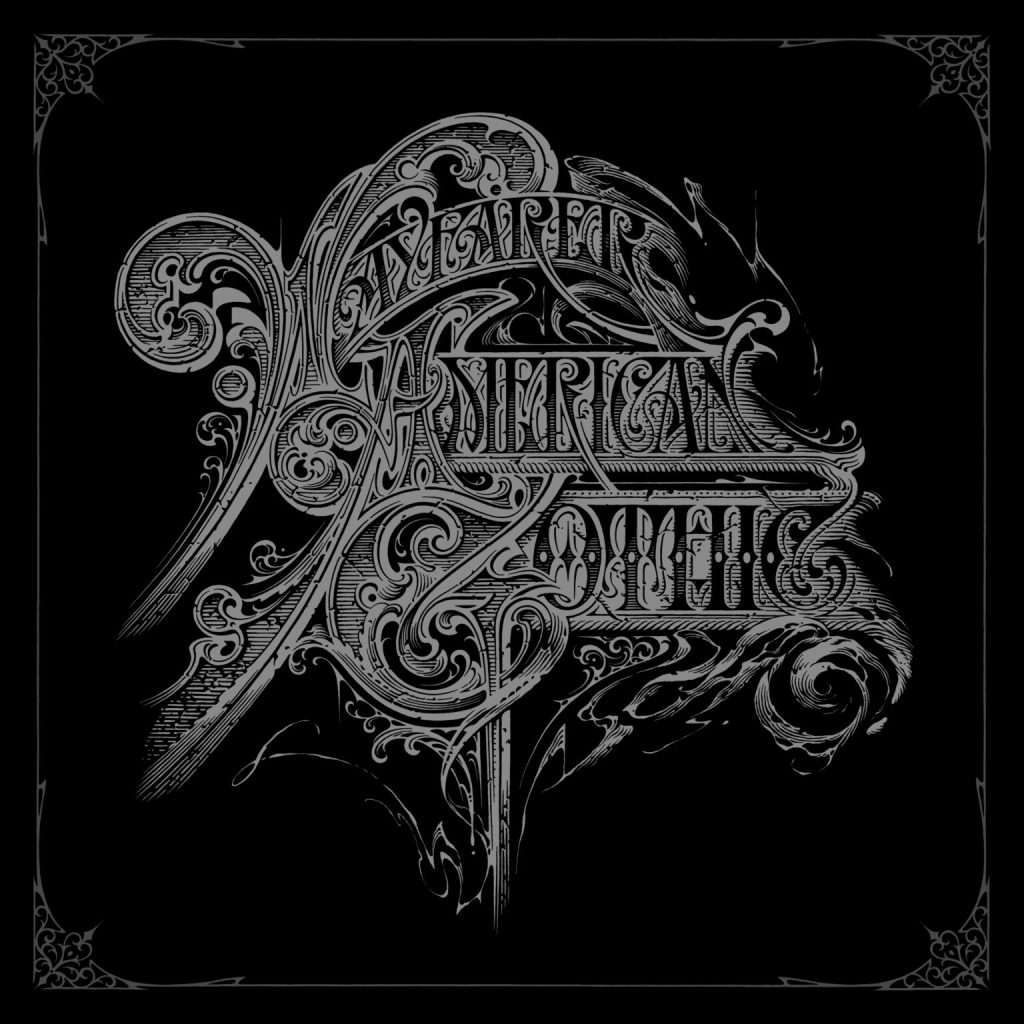
Fortunately, the distraction doesn’t last long, as “Black Plumes…” crescendoes on a biblical high before a sullen monologue prepares the listener for the final track, “False Constellation.” With sinister guitar riffs dotted with the occasional appearance of a dusty piano melody that sounds right out of a saloon. Devilishly enchanting, the song recaptures any lost interest and provides the perfect high-point to bring American Gothic to a close, leaving the listener in awe and cowboyish delight.

American Gothic would be a good album on concept alone. Whether someone is particularly interested in black metal—or metal at all, for that matter—they would be remiss not to experience Wayfarer’s originally American take on the genre. The fact that this album is so well executed and memorable is icing on the bloody, dusty, tumbleweed-flavored cake.





 Smoke Signals
Leave a comment